08.12.26 By Roxanne Garcia
A brand spokesperson can deliver the same message from a home office, broadcast studio kitchen or hotel pool and each setting can create a different viewer experience. Not because the words changed, but because the environment shapes how the story is received. That’s why location is one of the most powerful tools in media tour planning. While teams thoughtfully develop messaging, media strategy, and spokesperson prep, the setting deserves the same thoughtful approach because it can influence how a story connects with audiences. However, in today’s hybrid media landscape where virtual, in-studio, and on-site executions each offer unique advantages, location is more than a logistical detail, it’s a creative choice that can enhance the impact of a segment.
Virtual tours remain a smart, efficient way to reach multiple markets with increased flexibility and scale. At the same time, in-studio and on-site formats offer additional opportunities to bring stories to life, create stronger visual moments, and give audiences deeper connection to the message. Understanding what each format unlocks, and when to use it, starts with recognizing the role the environment plays in storytelling.
Every media tour format offers a different storytelling advantage. Virtual tours provide flexibility, accessibility, and a direct connection between spokesperson and audience, while in-studio and on-site tours introduce another powerful element: the environment itself.
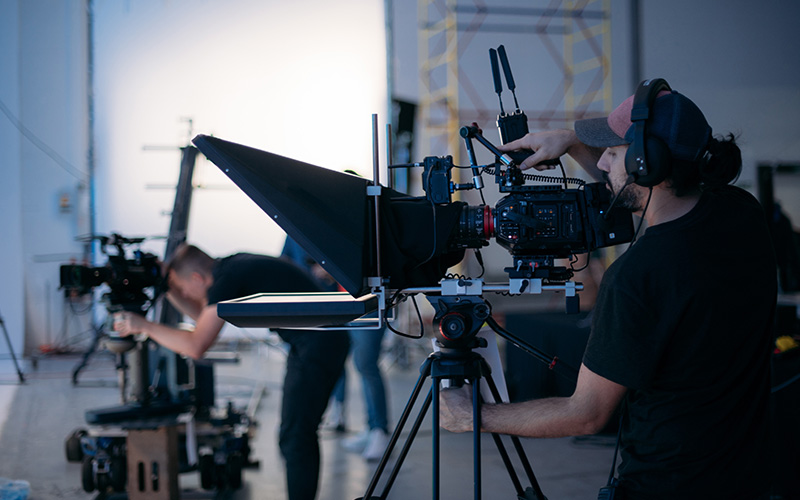
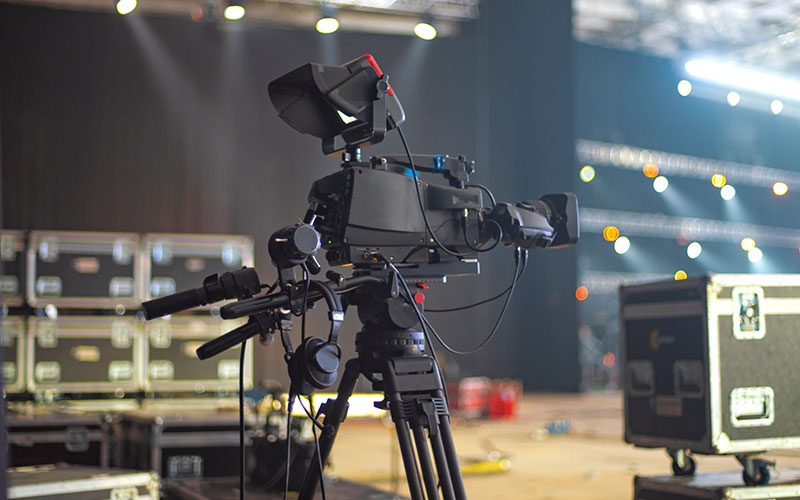
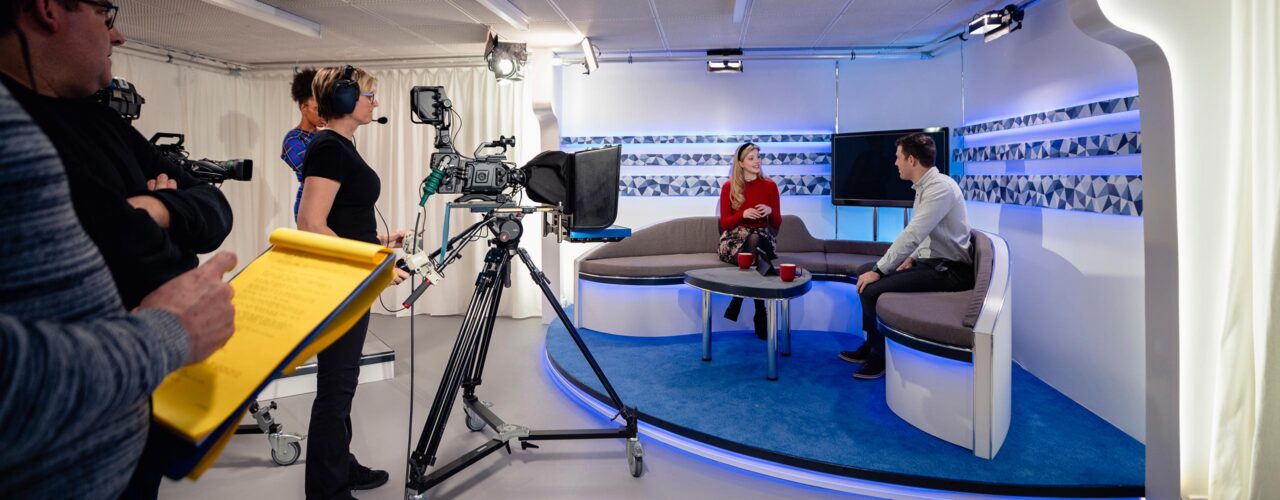
An in-studio tour creates a polished, broadcast-ready setting where every detail, from lighting to camera angles and backdrop, is intentionally designed to support the message. An on-site tour brings viewers into a real-world environment, adding context and authenticity through the location itself.
In both formats, the setting becomes more than a backdrop and starts functioning like a third character in the segment, something the spokesperson interacts with, reacts to, and draws energy from.
This isn’t only a creative preference, it shows up in how audiences experience the content.
That connection between what audiences notice and what they feel is why location strategy deserves consideration from the start. When the environment supports the message, it becomes another tool for bringing the story to life and creating a memorable segment.
Every media tour is different. Some stories benefit from the polish and consistency of a broadcast studio. Others become more compelling when they’re told where the work actually happens. And sometimes, a virtual format is the smartest choice for the brand, timeline, and budget.
That decision often happens long before cameras are rolling, when teams are defining the narrative, identifying visuals, and considering what will resonate most with viewers.
At Bridgenext Content Studio, the PR & Broadcast Services team works with communications and brand teams to think through the role of location, production, and format early in the planning process, so every creative decision supports the story rather than competing with it.
Whether a campaign calls for a broadcast studio, an on-site production, or a virtual media tour, the objective remains the same: create an experience that helps audiences understand, remember, and connect with the message.
For stories that benefit from visual variation, environment, or a sense of place, in-studio and on-site tours can create deeper audience engagement by bringing additional context and storytelling elements into the segment. Virtual media tours offer their own advantages including flexibility and accessibility. The right format ultimately depends on the message, the audience and the experience you want to create.
It’s the idea that a location, whether a designed studio set or a real-world environment, actively shapes how a story is told, rather than just serving as a backdrop. The setting interacts with the spokesperson and adds context, energy, and authenticity the words alone don’t provide.
While audiences typically don’t identify the production format while watching, they do experience the impact of the environment and visual storytelling choices. When the setting reinforces the message, it can help a segment feel more engaging, authentic, and memorable.
A virtual media tour is a strong option when flexibility, efficiency, and streamlined logistics are priorities. It allows spokespeople to participate from their own location, reduces production and travel considerations, and provides an effective way to connect with media while accommodating schedules and budgets.